

MTM – MADE TO MEASURE
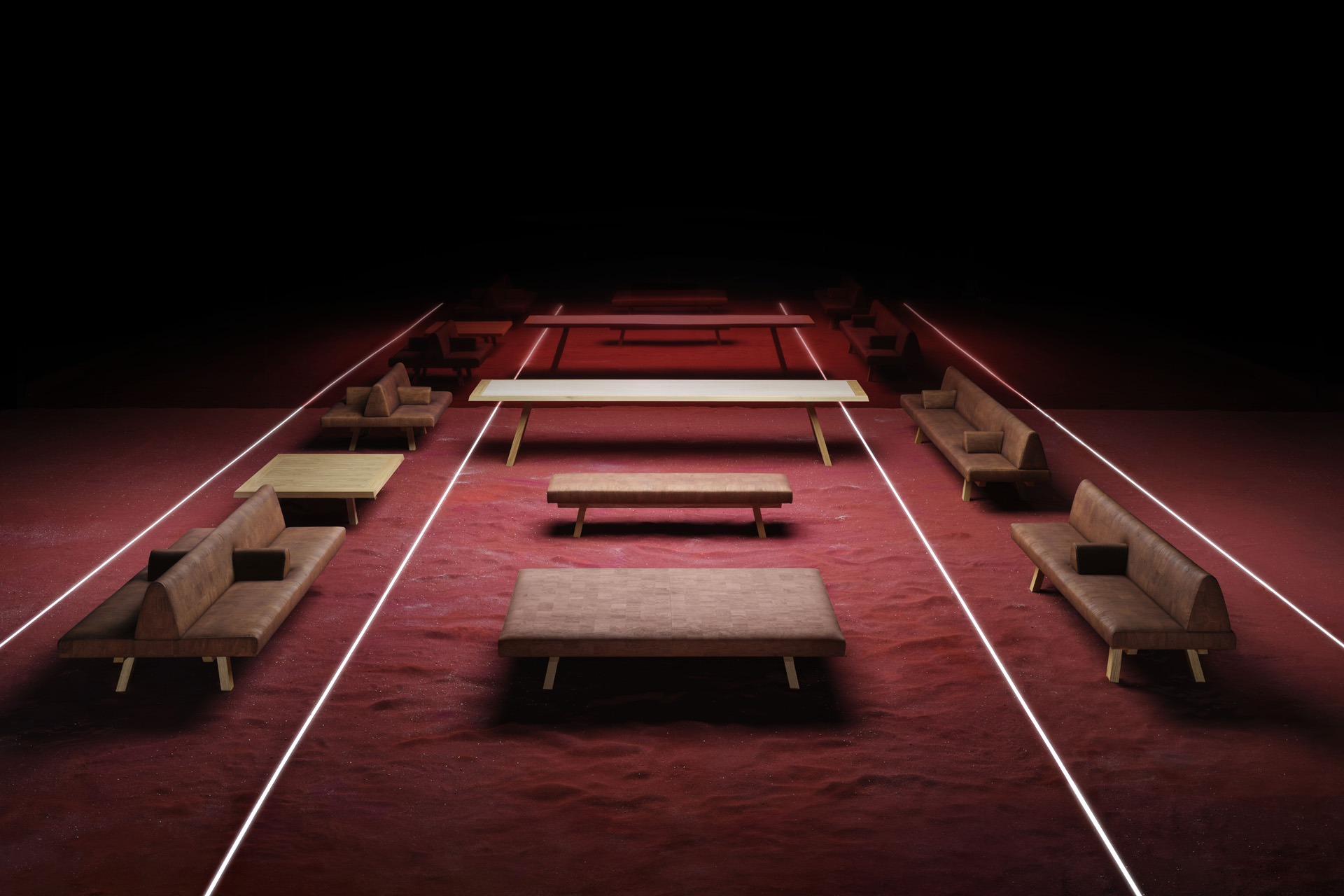
MTM – Made to Measure is a furniture system designed by Herzog & de Meuron for UniFor, conceived from an open and scalable constructive principle. Tables, benches, sofas, daybeds, coffee tables and a table tennis version share the same formal matrix, capable of extending, reconfiguring and adapting to different contexts without losing coherence.
An open constructive principle
The collection originates from an essential form, defined by a constant geometry and a modular structure. MTM interprets measure not only as dimension, but also as proportion, control and the ability to relate to space. It is a system designed to define the environment without determining it, introducing a measured and non-invasive order.
The 12-degree geometry
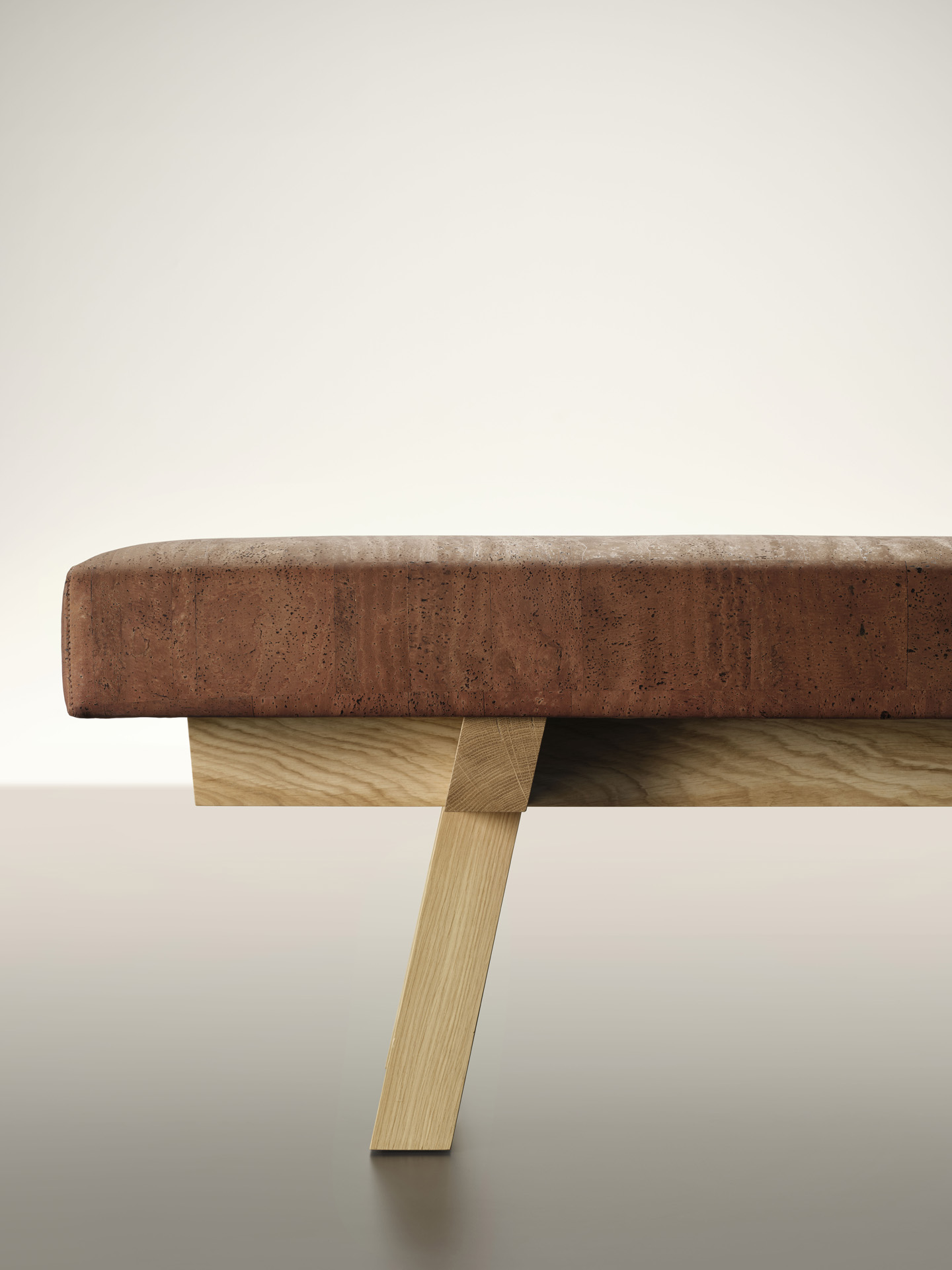
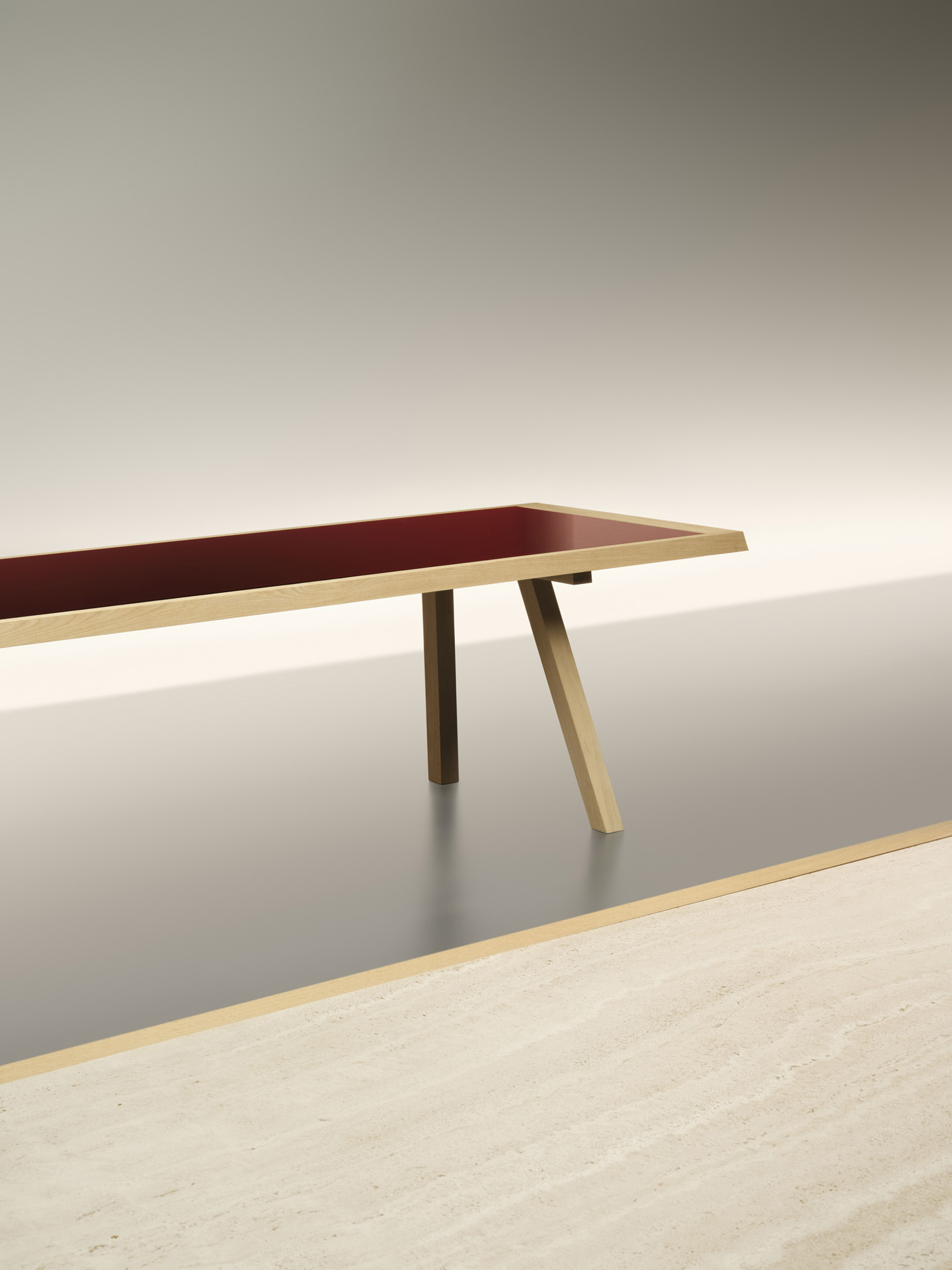
The entire system is governed by a constant 12-degree inclination, adopted to optimise the stability of the timber structure and transformed into the distinctive sign of the collection. The same angle defines the inclination of the legs and the bevelled edges of the tabletops, creating visual and constructive continuity between the supporting structure and the surface.
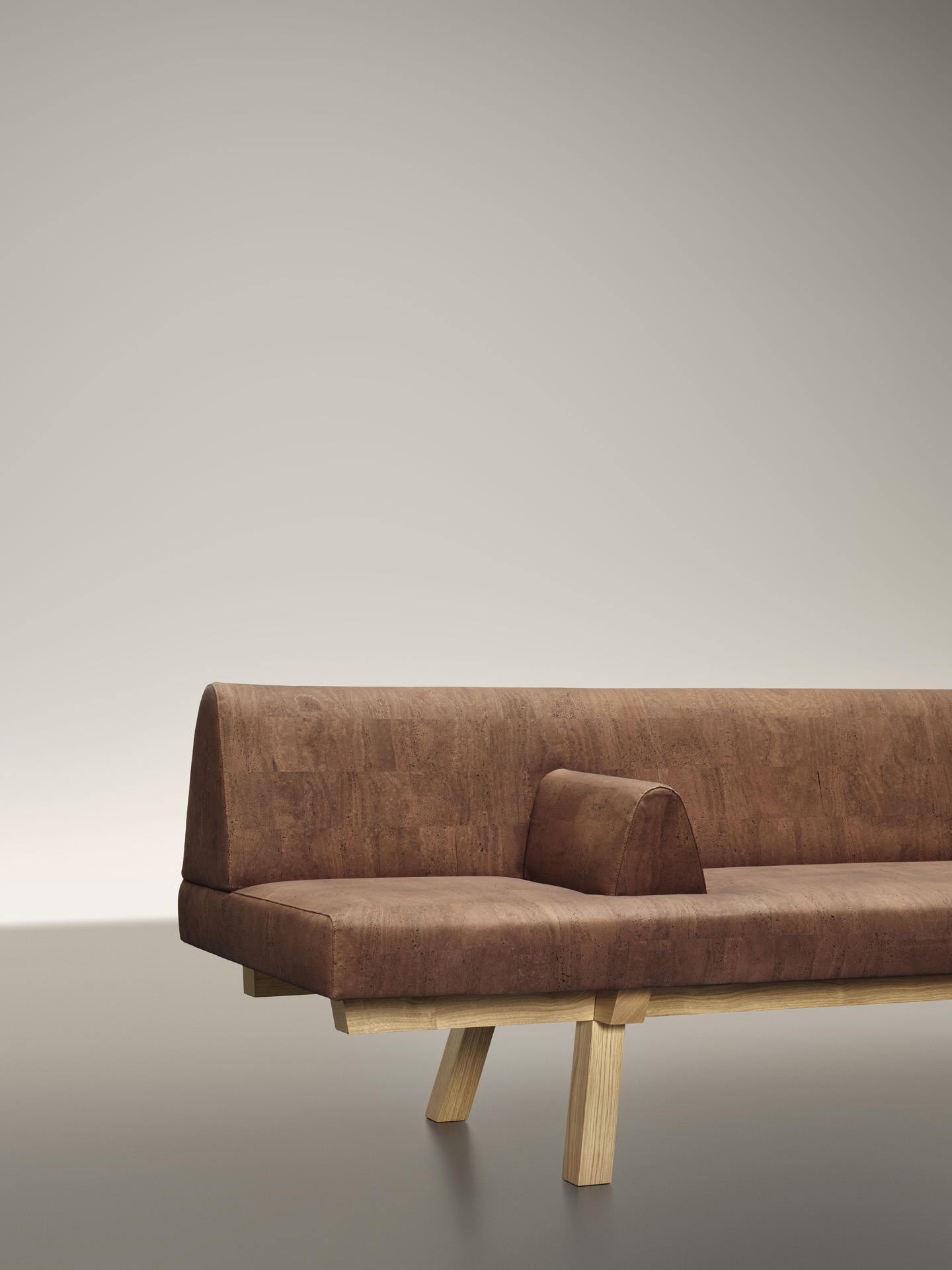
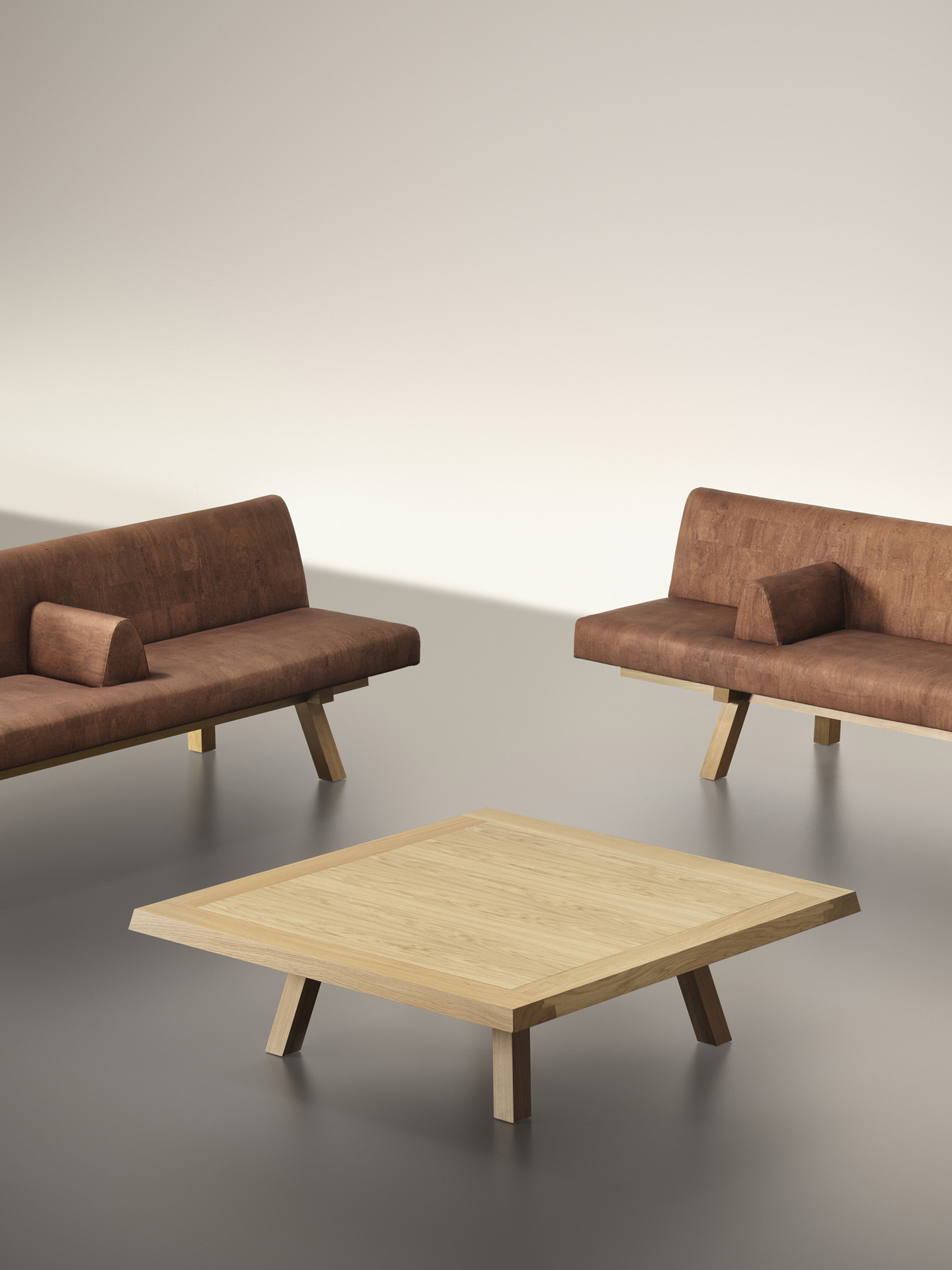
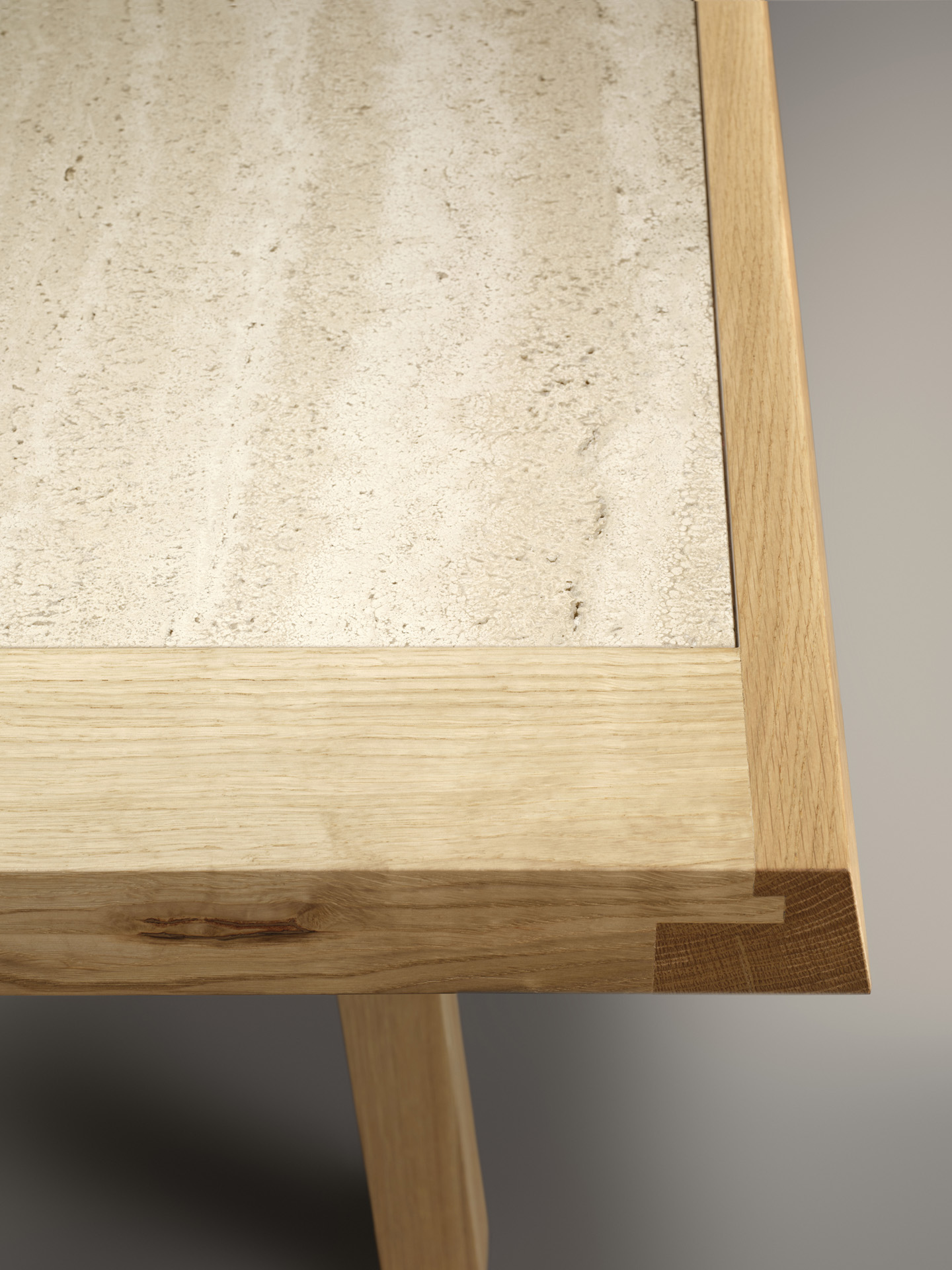
The supporting structure consists of four solid wood beams interlocking in three dimensions, offering a contemporary reinterpretation of the traditional castle joint. From this constructive matrix, MTM generates a scalable family of elements that can expand or contract while maintaining the same structural logic and formal coherence.
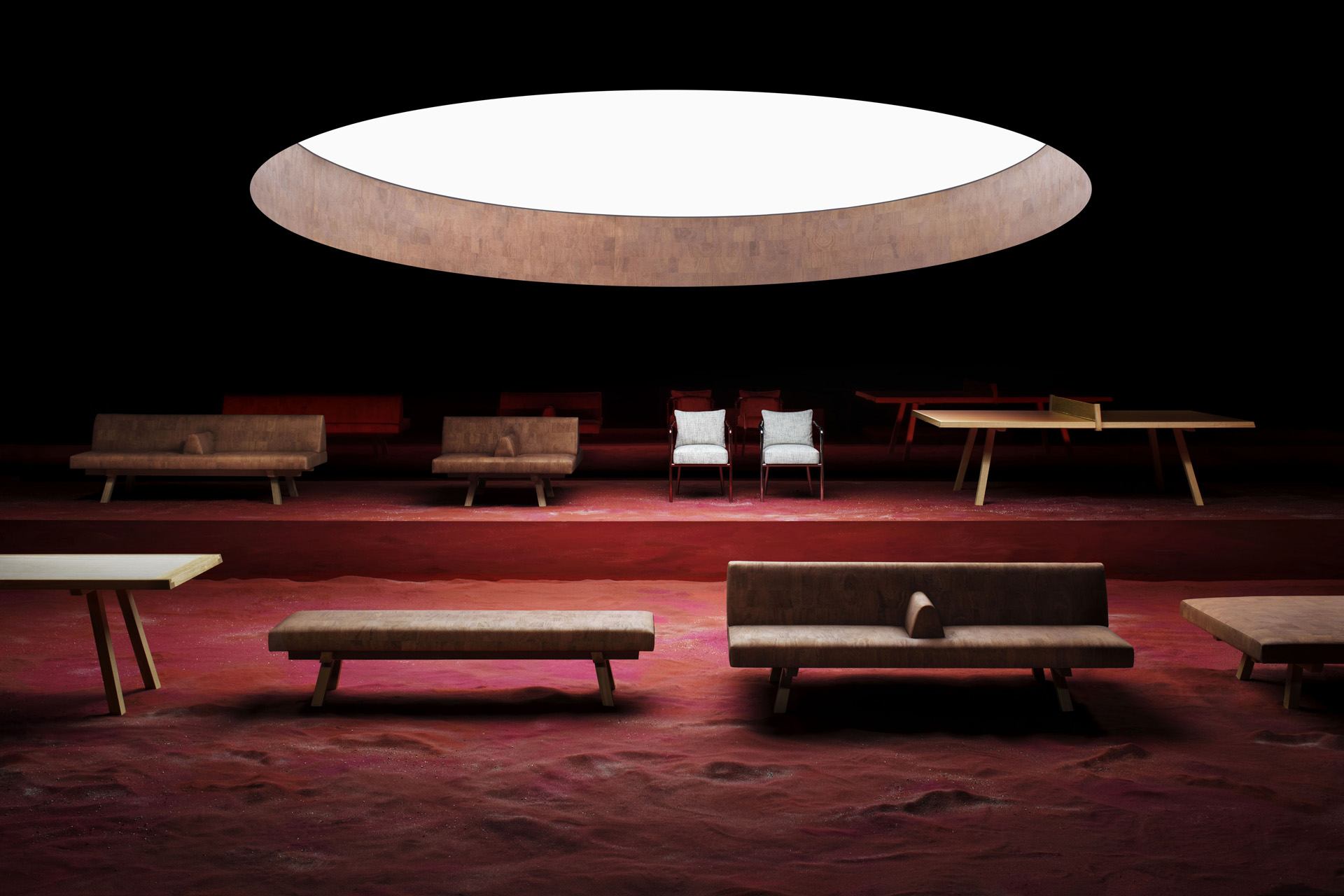
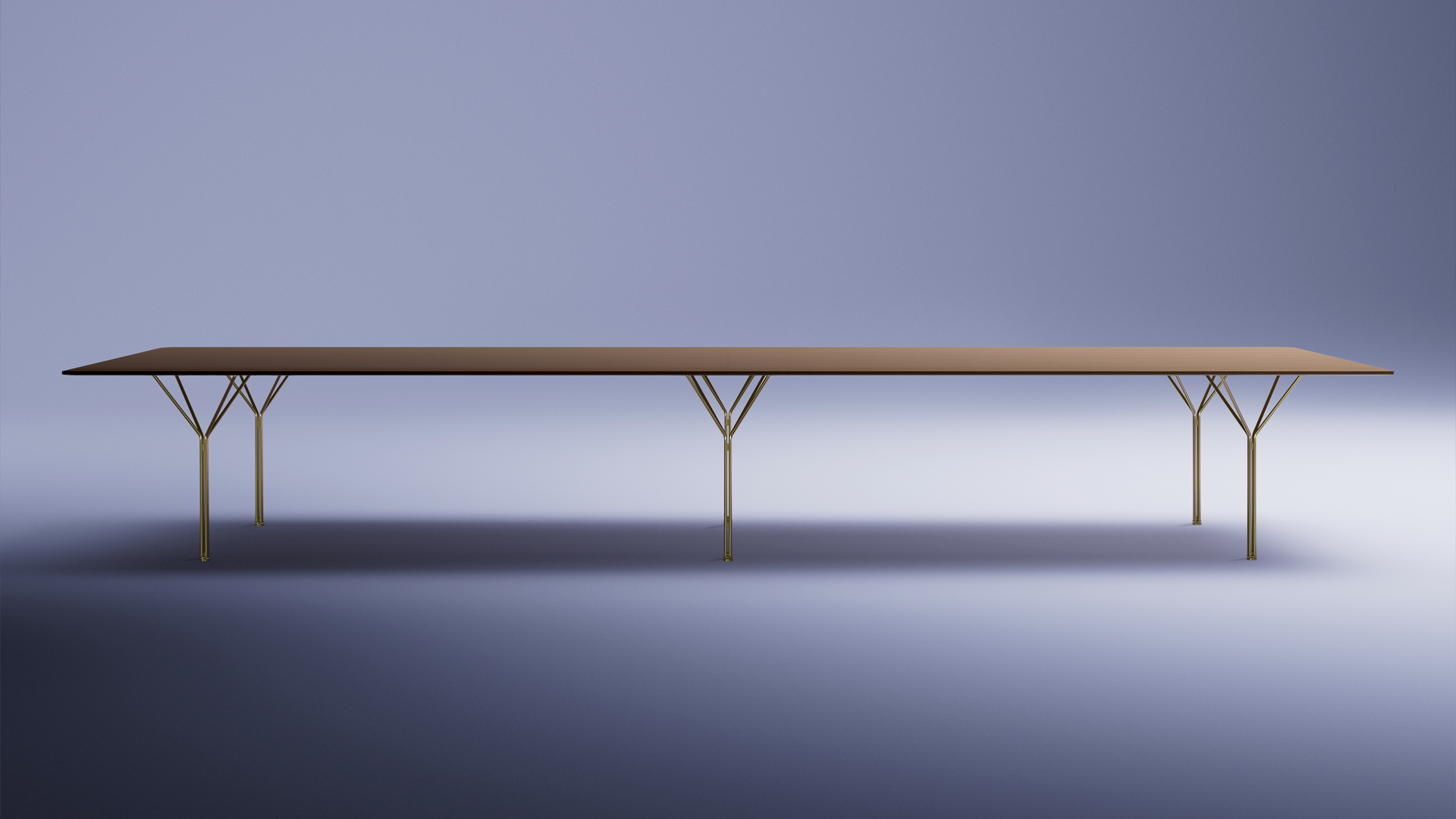
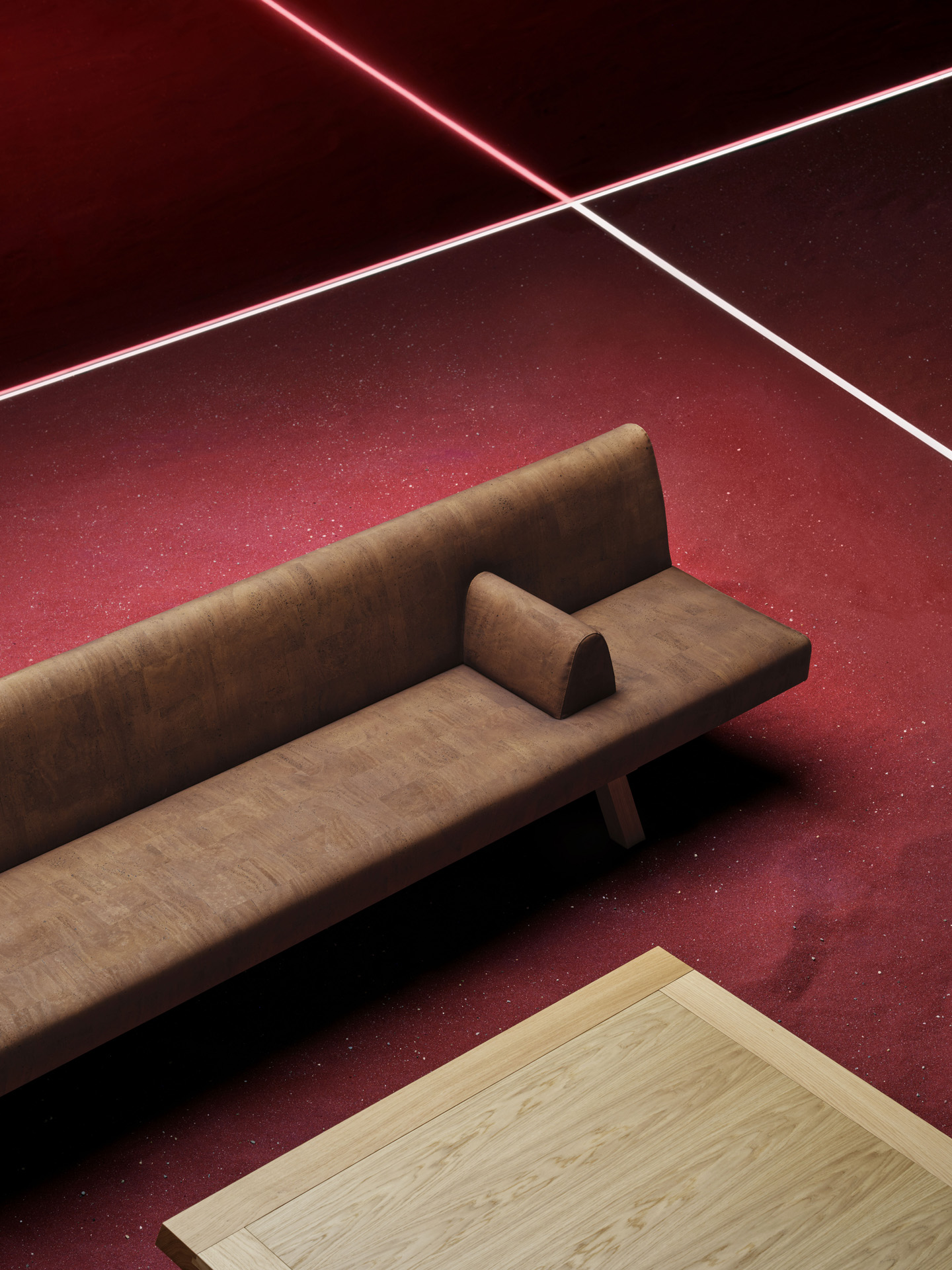
MTM includes tables in different sizes, a table tennis table, a coffee table, a bench, a daybed and single and double-sided sofas. From large communal tables to more compact configurations, each element preserves the original constructive principle, creating continuity across functions, environments and modes of use.
Materials and surfaces
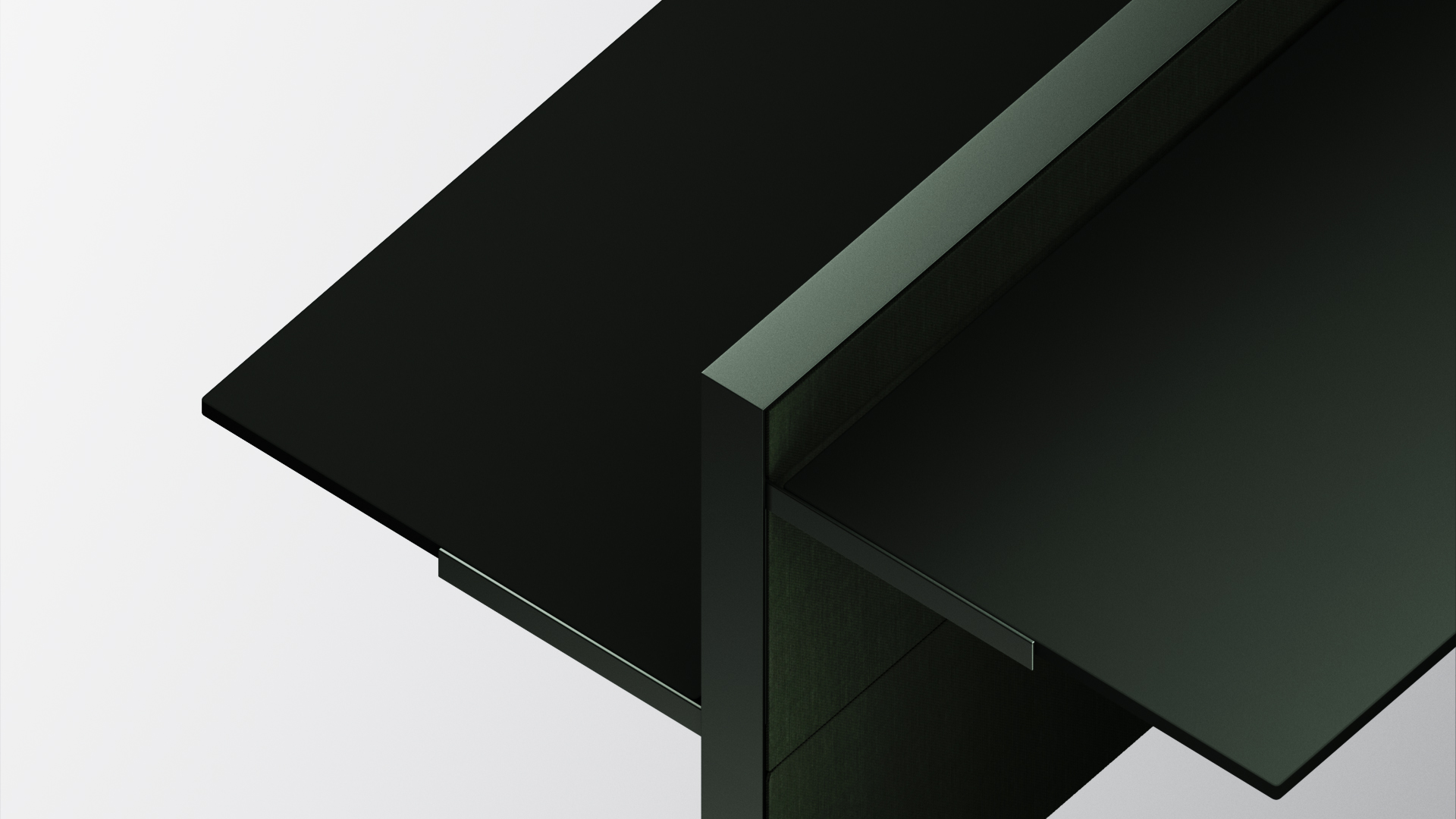
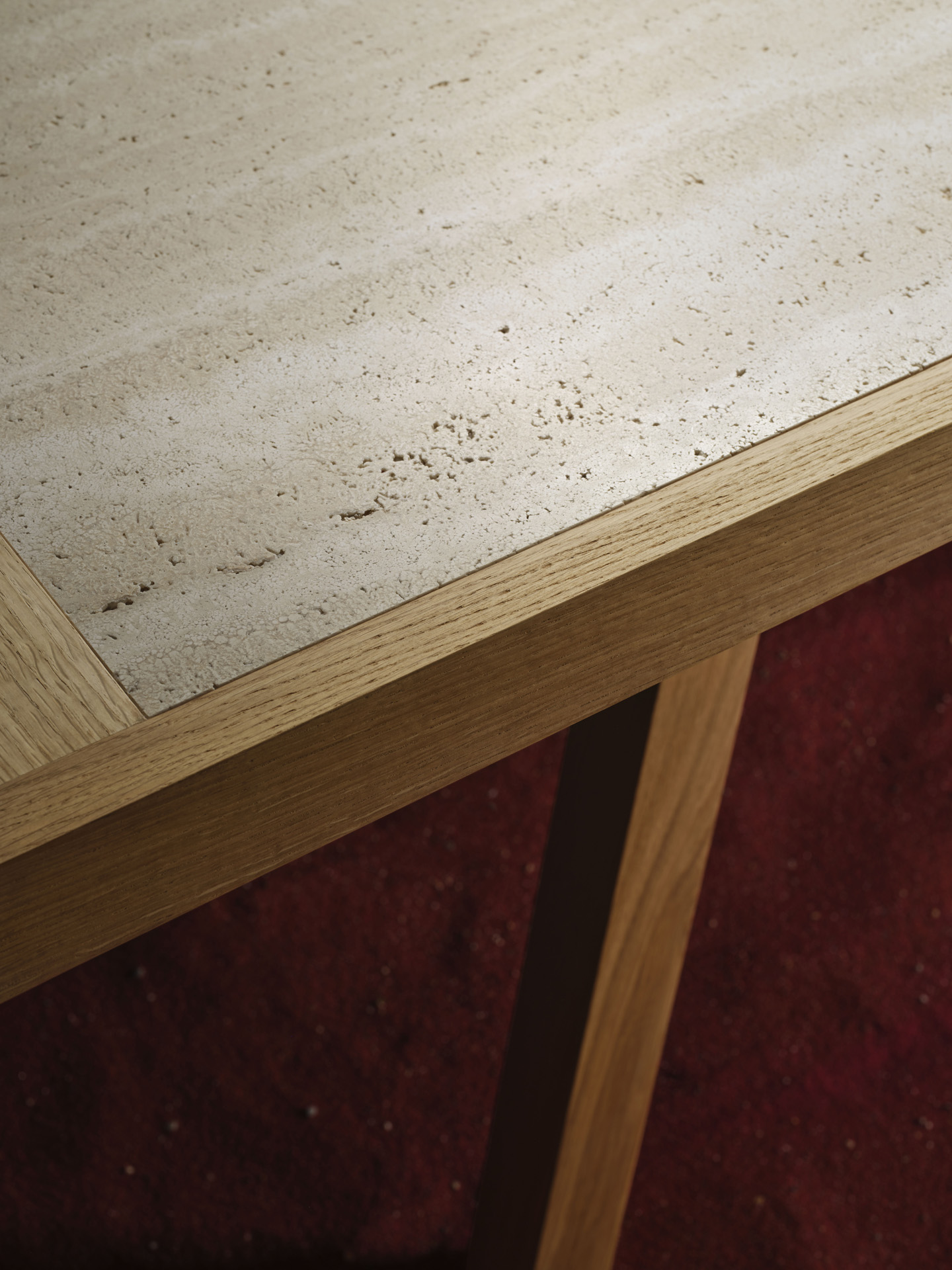
Solid wood, cork, coloured glass, travertine, Lepanto red marble and polished mirror-finish steel define the material identity of the collection. Cork introduces a tactile and quiet surface, capable of accommodating use and absorbing its traces over time, while the tabletop inserts expand the expressive possibilities of the system.
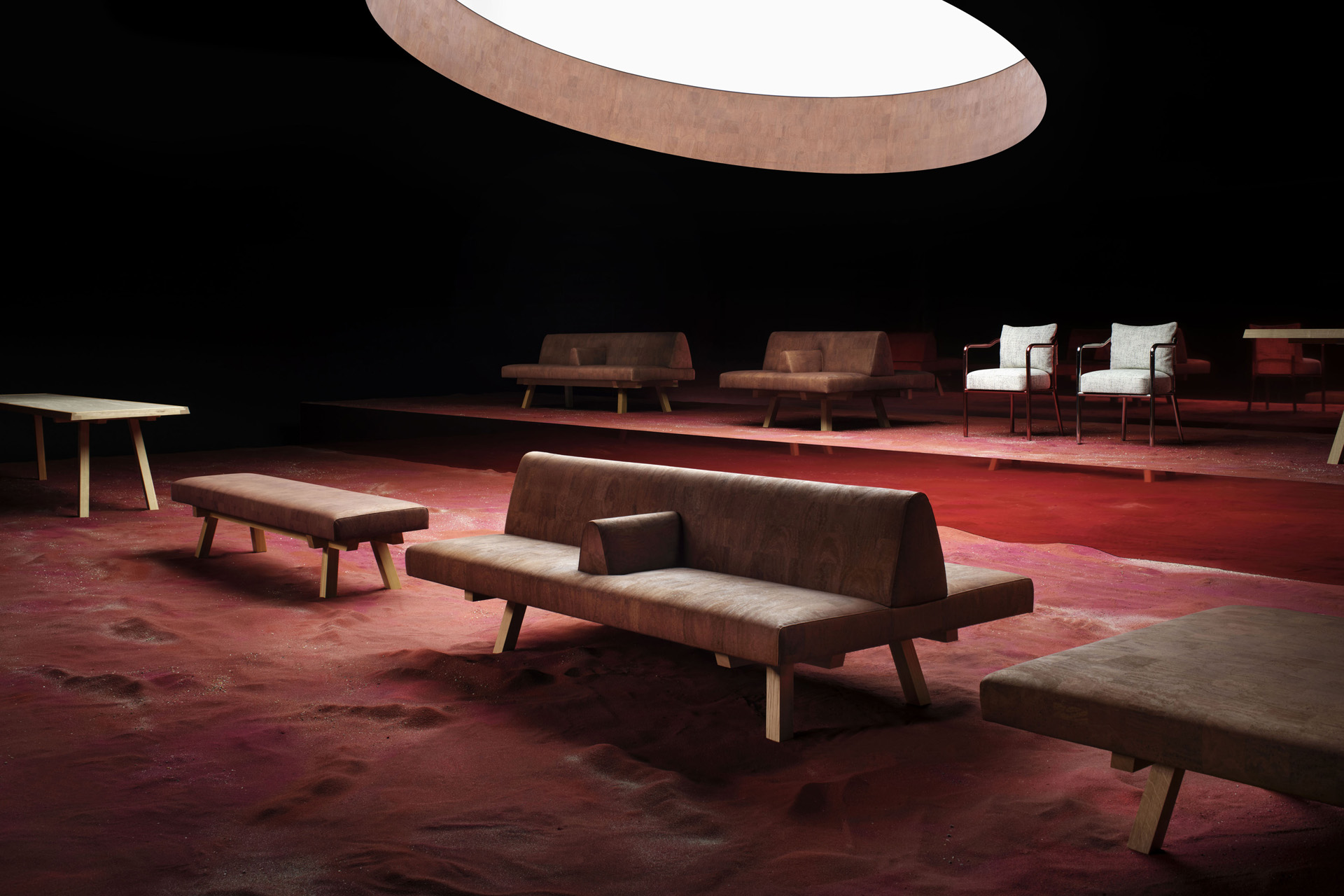
Originally developed for an institutional context, MTM is designed to engage with different environments and evolve over time. Its strength lies in its ability to adapt to different scales, functions and configurations, while maintaining a calibrated and recognisable presence. A system designed to encourage interaction, continuity and the shared use of space.